
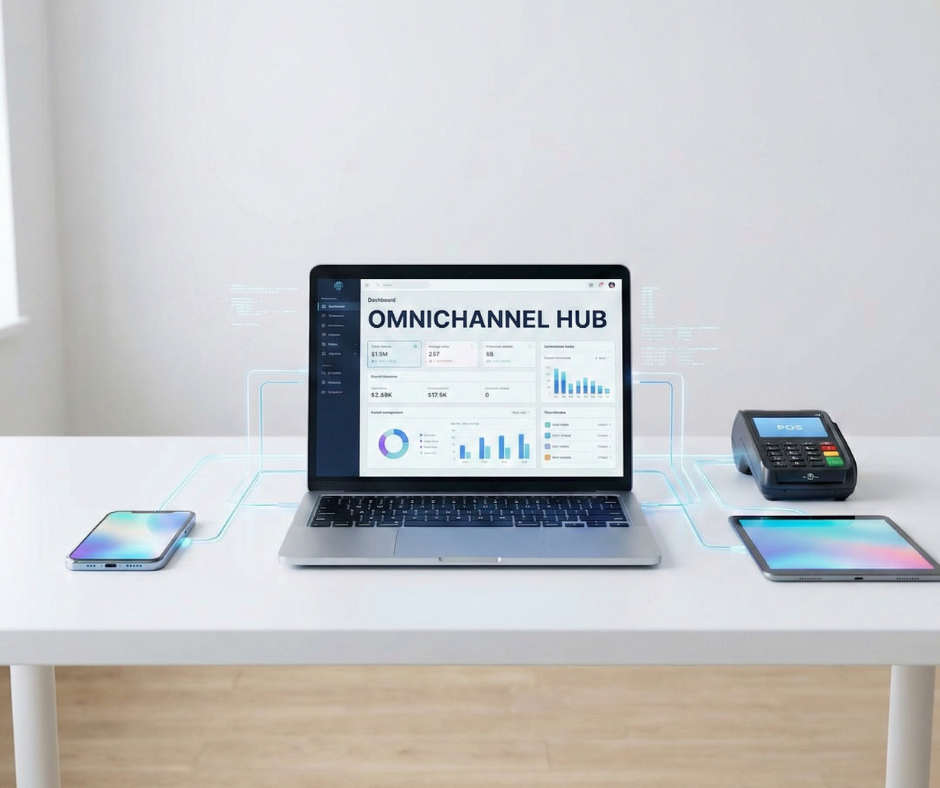
Modern retail has evolved into a continuous experience where consumers seamlessly move between social media, mobile devices, and brick-and-mortar stores. For Magento 2 merchants, achieving this omnichannel connectivity is a major opportunity that often requires specialized tools to bridge the gap between digital storefronts, legacy POS systems, and third-party marketplaces without rebuilding the entire platform core.
This guide explores how high-quality Magento 2 extensions for omnichannel strategy enable a unified commerce hub, allowing you to manage global inventory and localized fulfillment from a single administrative interface. Whether you are an enterprise retailer or a growing B2B brand, this blueprint will help you navigate the complex technical requirements of modern unified commerce.
To build a successful technical stack, it is essential to first understand the fundamental difference between multichannel and omnichannel commerce. While they may sound similar, their underlying architectures and customer outcomes are vastly different.
Multichannel commerce is about being present in many places. A merchant might have a Magento website, an Amazon storefront, and a physical boutique. However, in a multichannel model, these channels often operate in silos. The inventory for the website is managed separately from the store, and the customer who buys online is a stranger when they walk into the physical location.
Omnichannel commerce, conversely, is about integration. It ensures that every touchpoint is aware of the others. Transitioning to a Magento 2 Omnichannel environment means that if a customer adds an item to their cart on their mobile phone but decides to visit the store to see the product in person, the store associate can see that cart on a tablet and complete the sale. This requires a “Single Source of Truth” for all data—inventory, orders, and customer profiles.
A robust Magento 2 omnichannel ecosystem typically covers several critical touchpoints:
Magento 2 is particularly well-suited for this because of its API-first approach and the native Multi-Source Inventory (MSI) framework, which provides the necessary foundation for managing stock across multiple geographic locations. For complex retail groups operating several storefronts, the addition of Magento 2 extensions for multi-brand stores further enhances this capability by centralizing the management of distinct brand identities under one unified commerce umbrella.
Not all extensions are created equal. When selecting tools for your omnichannel stack, you must prioritize technical reliability and data integrity over a long list of minor features.
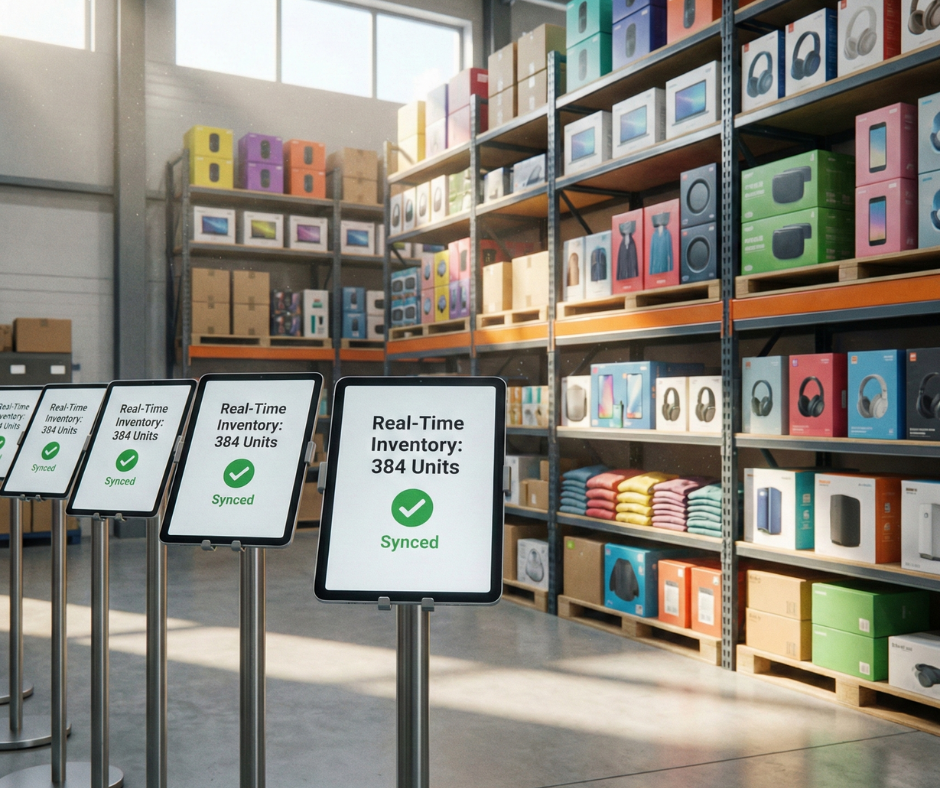
This is the most critical requirement. In an omnichannel world, “real-time” isn’t a luxury; it is a necessity. If a customer buys the last unit of a product in your London store, your website must reflect that the item is out of stock within seconds. Extensions must be able to handle high-frequency API calls without causing performance lag on the storefront or the administrative backend.
An omnichannel strategy is only as good as its fulfillment capabilities. You should look for extensions that allow for “Unified Order Management,” where every order—regardless of where it originated—is funneled into a single queue. This allows your team to apply complex fulfillment logic, such as routing an order to the warehouse closest to the customer or allowing a store to act as a fulfillment center.
To provide a personalized experience, you need a “360-degree view” of the customer. The extensions you choose should be able to sync customer purchase history, loyalty points, and preferences across every channel. This ensures that a VIP customer is recognized and rewarded whether they shop online or in person.
Magento 2 is a resource-intensive platform. Adding heavy, poorly coded extensions for omnichannel features can lead to slow page loads and checkout friction. Choose extensions from reputable vendors that prioritize asynchronous data processing and minimize the impact on the database during peak traffic periods.
The following categories represent the pillars of a unified commerce architecture in Magento 2. Selecting the right Magento 2 extensions for an omnichannel strategy involves evaluating how each module communicates with your core database and external APIs.
Inventory is the heartbeat of omnichannel retail. While Magento’s native MSI is a strong start, advanced extensions are often needed to handle complex warehouse scenarios. Tools in this category focus on real-time stock updates and intelligent inventory allocation to prevent the “overselling” nightmare by creating a global inventory pool.
Key features:
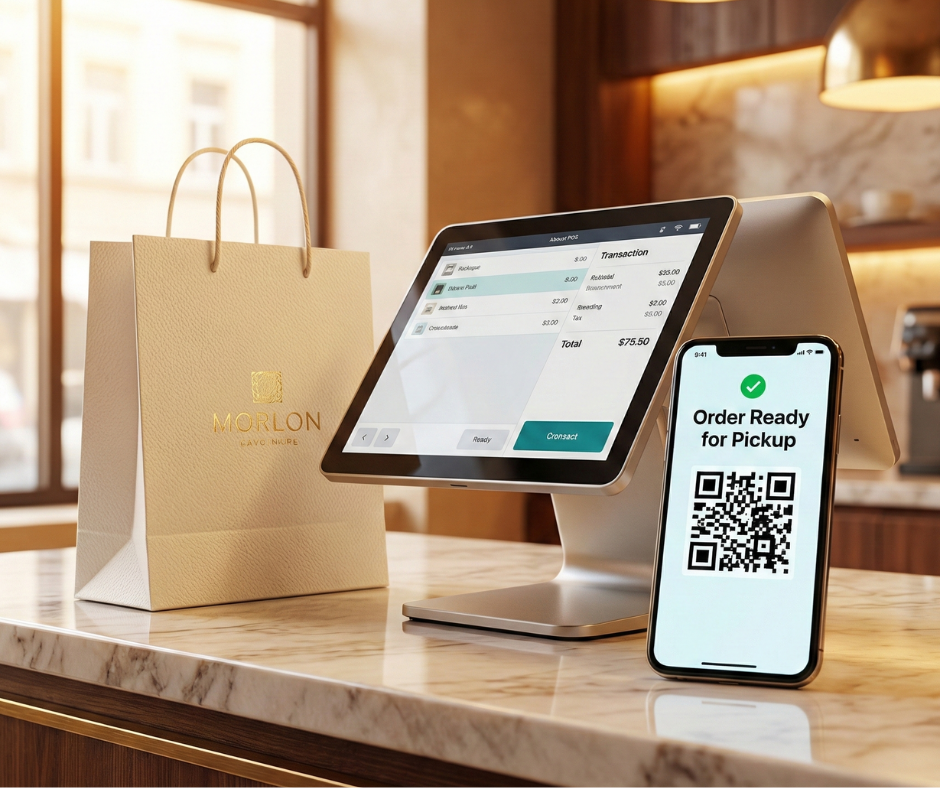
Order Management Systems (OMS) focus on the logistics of the omnichannel journey. They enable complex workflows like “Click & Collect” and “Ship from Store,” effectively turning your physical stores into mini-distribution centers to reduce shipping costs and delivery times.
Key features:
A Point of Sale (POS) extension bridges the gap between the warehouse and the retail floor. Unlike standalone legacy systems, a Magento-integrated POS communicates directly with your core database, ensuring pricing, promotions, and customer data are identical everywhere.
Key features:
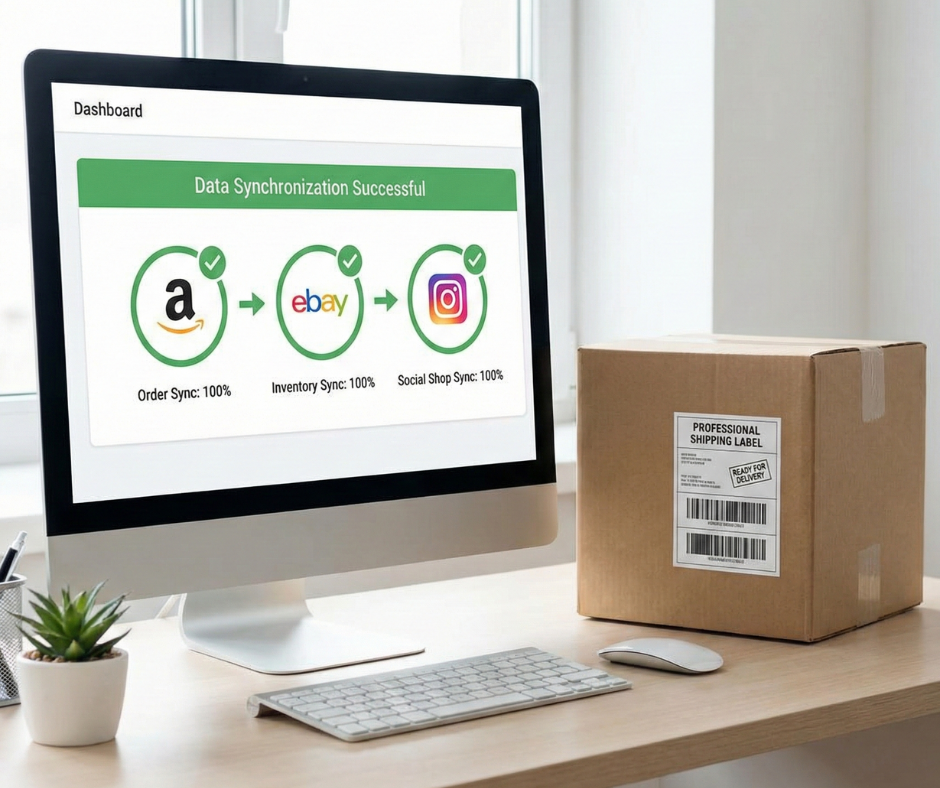
Marketplace integration extensions allow you to expand your reach to platforms like Amazon, eBay, or Walmart without the operational nightmare of fragmented data. These tools map your Magento categories to marketplace structures and import external orders directly into the Magento admin.
Key features:
Social media is a high-converting sales channel. These extensions allow you to sync your product catalog to platforms like Facebook, Instagram, and TikTok, enabling shoppable posts where a user can move from discovery to checkout in seconds.
Key features:
A Customer Relationship Management (CRM) integration is the final piece of the puzzle. By syncing Magento data with a CRM like Salesforce or HubSpot, you create a single customer view that supports hyper-personalized marketing across the entire lifecycle.
Key features:
An effective omnichannel strategy is more than a collection of independent plugins; it is a carefully designed technical stack where every system talks to the others. In a typical Magento 2 omnichannel architecture, Magento serves as the “Hub” or the “Brain.”
The POS, Marketplace connectors, and Social channels act as the “Arms,” reaching out to different customer touchpoints. To ensure compatibility, many merchants browse Magento extension stores to find certified modules that are tested for interoperability. The Inventory and Order Management extensions act as the “Nervous System,” moving data back and forth in real-time. To avoid extension conflicts and redundancies, it is best to choose a suite of tools from a single provider or ensure that all extensions are built on the Magento “Service Contract” architecture, which ensures they use standard API protocols.
Data flow should be centralized. An order placed on the POS should update the Magento database, which then triggers an update to the Marketplace connector, which finally updates the inventory on Amazon. This “chained” data flow is what maintains the integrity of your global stock levels.
While omnichannel is often discussed in a retail (B2C) context, it is equally critical for B2B. However, the requirements differ significantly.
In B2C, the focus is on speed, convenience, and emotional brand connection. The omnichannel journey is often about “quick discovery to quick delivery.” For B2B, the journey is about “complexity to efficiency.” A B2B omnichannel strategy must account for negotiated pricing, credit limits, and complex approval workflows that must be consistent across the website, the sales rep’s mobile app, and the wholesale portal.
A B2B associate in the field using a tablet should be able to see the same “custom price list” for a client that the client sees when they log into their account on the desktop site. The technical stack in B2B prioritize account-based hierarchies and professional procurement tools over social commerce or visual discovery.
With hundreds of extensions available, the selection process can be overwhelming. To ensure you choose the right tools, you must align your technology with your specific business goals.
Start by auditing your customer behavior. Do 70% of your customers live within 10 miles of your stores? If so, prioritize POS and “Click & Collect” extensions. Are you a digital-native brand looking to move into wholesale? Focus on CRM and B2B-optimized order management.
Before selecting any extension, ask the following technical questions:
Success in omnichannel commerce requires a perfect marriage of strategy and technology. A unified commerce approach is no longer an “advanced” tactic for the few; it is the standard for any brand that wants to survive in a cross-channel world. By investing in the right Magento 2 extensions for an omnichannel strategy, you are building a resilient, scalable foundation that can adapt to new marketplaces and consumer habits as they emerge.
Before expanding your channel reach, perform a deep audit of your current systems. Ensure your core Magento instance is optimized and that your product data is clean and well-structured. With a solid foundation and the right integrated tools, your Magento 2 store can become a powerful engine for global, unified commerce growth.
