

Choosing how international customers land on the right store view can directly affect user experience and conversions. Magento merchants often face a key decision: rely on automatic GeoIP store switching or let users select their store manually.
This article compares both approaches and explains which option works better based on real-world use cases and business goals. We will look at how automation balances against user intent to find the perfect strategy for your brand.
When a business expands globally, the digital storefront must adapt to various languages, currencies, and shipping policies. Simply having these versions available is not enough if the entry point is confusing.
The way a user enters these specific store views is critical. If a customer in France is forced to browse an English site with prices in USD, they encounter immediate friction and likely leave.
Incorrect store views create immediate drop-offs because the first few seconds of a session determine whether a visitor stays or bounces. If the localization is wrong, the trust is broken early.
Therefore, deciding between a GeoIP store switcher vs manual store selection is primarily a UX and conversion decision rather than just a technical one. It is about the customer’s journey.
The debate between these two methods centers on the balance between speed and accuracy. One aims to think for the customer, while the other expects the customer to take the lead.
Automatic redirection using a Magento 2 GeoIP Store Switcher extension is designed to create a seamless entry point. It detects the user’s location immediately.
The system identifies their country and pushes them to the corresponding store view. This is excellent for first-time visitors who might not be aware that a localized version of your site exists.
However, manual selection provides the ultimate level of customer control. Some users may be physically located in one country but wish to shop from another for various personal reasons.
Using Magento 2 extensions for omnichannel strategy can help unify these experiences across different touchpoints. However, aggressive redirects can frustrate specific user groups.
A returning visitor who previously chose a specific language might be annoyed if the GeoIP system overrides their previous preference. This is why session memory is a vital technical component.
Automation generally improves speed by removing the need for a user to click a flag icon or a dropdown menu. In the fast-paced B2C world, every millisecond of saved time matters.
High-frequency B2C stores see a measurable decrease in bounce rates when automation is used. Customers are more likely to engage when the currency they see is the one they use daily.
On the other hand, manual selection ensures that when a user does arrive at a store view, they are there by choice. This intent often translates into higher quality traffic and lower return rates.
If a store uses Magento 2 extensions for multi-brand stores to manage various product lines, the stakes are even higher. A forced redirect to the wrong brand is a disaster.
A manual “welcome” popup can bridge the gap. It offers the benefits of localized data without the risk of a jarring redirect that might confuse a customer browsing from a VPN.
No GeoIP database is 100% accurate, as data centers and VPNs can frequently mask a user’s true location. This technical limitation is the primary risk of fully automated systems.
If a system automatically redirects a user to the wrong language, it can be incredibly difficult for them to find their way back. This is especially true if they cannot read the new menu.
Manual store selection is inherently more reliable because the user makes the final call. The system doesn’t have to guess, so the margin for error is virtually zero.
The downside is that many users are in a hurry. If the manual selector is hidden in a small footer menu, they may never find it. They might simply leave the site instead.
Many merchants look for high-quality Magento 2 extensions that offer a “suggestion” banner. This combines detection with a final manual confirmation.
As a business grows from three countries to thirty, managing store selection becomes a complex task. You need a system that can handle high volumes of regional data points.
An automatic GeoIP system scales well because it handles the logic behind the scenes. You don’t have to worry about designing a massive dropdown menu with thirty flags.
However, long-term maintainability requires a system that can handle nuances. Some stores use one language to serve an entire continent, which requires sophisticated regional clustering.
For global growth, the technical setup must be flexible. It should handle regional clusters without creating a management nightmare for the e-commerce administrator team.
Manual selection for thirty stores would require a very well-designed interface to avoid overwhelming the user. A simple list of countries is rarely enough at that scale.
Buying behavior differs significantly between B2B and B2C. These differences dictate which store selection strategy will yield the best financial results for the merchant.
B2C shoppers often make impulsive decisions. They value speed and a “don’t make me think” interface. For these users, GeoIP switching is often the superior choice.
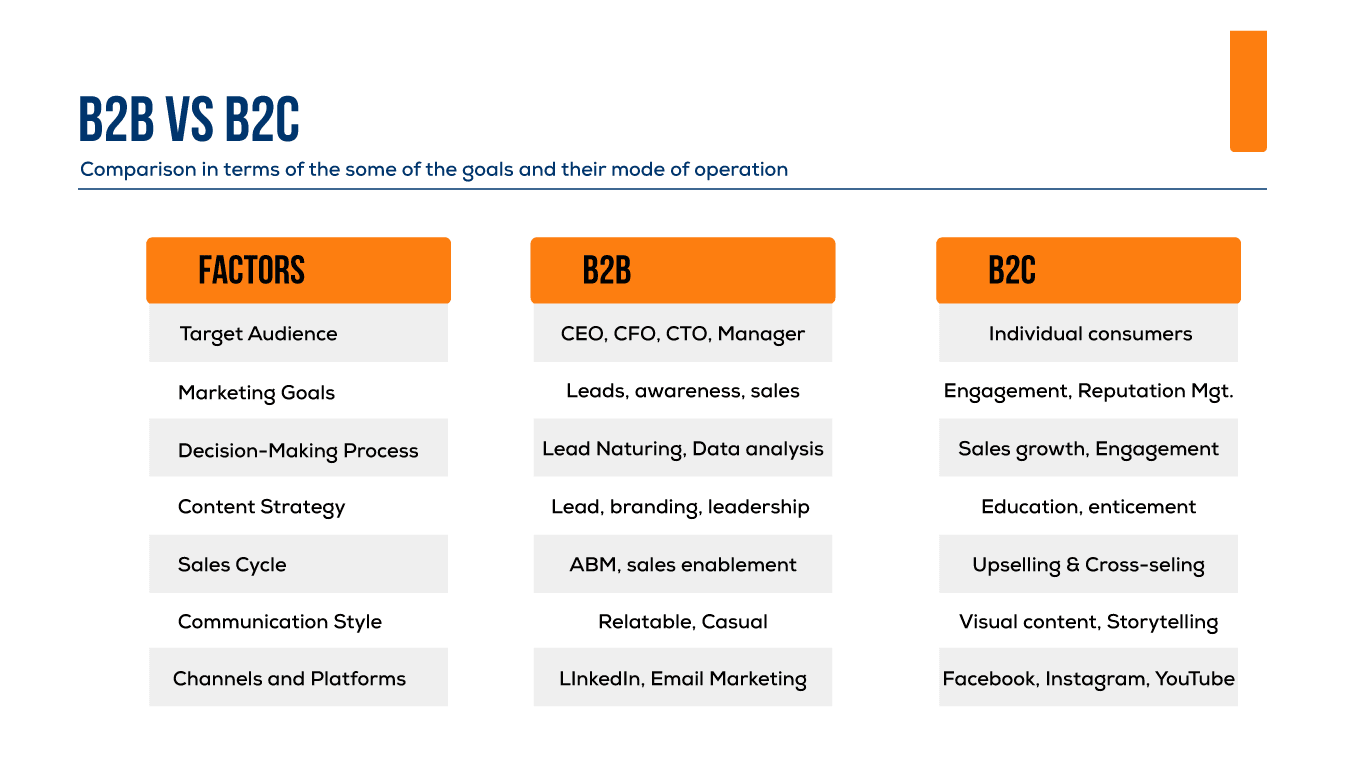
B2B buyers are often making high-value, calculated purchases. They may be procurement officers who need to access specific price lists or tax settings for a different branch.
For a B2B Magento store, a clear manual selection or a login-based store assignment is usually more effective. IP addresses can be misleading for large corporate networks.
If a buyer is at a head office in London but buying for a branch in Madrid, an automated redirect to the UK store would actually hinder their specific work task.
When setting up these systems, you must consider the technical impact on site performance. Both methods have specific requirements for the Magento architecture.
Server-side redirects are faster but can be harder to cache. JavaScript-based switching is easier to implement with Varnish but might cause a slight “flicker” as the page loads.
You should also consider the impact on SEO. Googlebot usually crawls from US-based IPs, so automated redirects can sometimes prevent it from seeing your other regional content.
Deciding on the best path involves evaluating your specific business model and your customers’ geographic distribution across the world.
Scenarios where GeoIP clearly performs better:
Automatic switching is high-reward when the cost of a “wrong” redirect is low. If the user can still read the site even if the currency is slightly off, the friction is minimal.
Situations where manual selection is preferred:
In these cases, the risk of guessing wrong outweighs the benefit of speed. Allowing the user to confirm their identity ensures that the transaction proceeds without any data errors.
The Hybrid Model: The best of both worlds
The most successful Magento stores often settle on a hybrid approach. Instead of a “hard” redirect, the site displays a “soft” suggestion banner at the top.
This gives the user the benefit of GeoIP detection while keeping them in the driver’s seat. It avoids the frustration of incorrect redirects while providing a localized shortcut.
By using this method, you satisfy the lazy shopper who wants automation and the power user who wants control. It is currently the industry standard for global brands.
There is no universal winner between GeoIP store switching and manual store selection—it depends on your audience, markets, and buying behaviour.
For many Magento stores, a hybrid approach delivers the best balance, reducing friction while respecting user choice and localisation needs.
By understanding the trade-offs of each method, you can build a storefront that feels local to every customer, no matter where in the world they are browsing from.
